
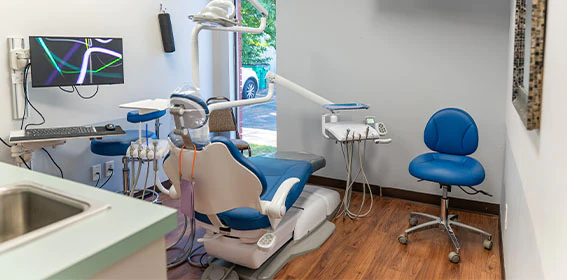
At DentaCare Dental Group Longview, oral surgery encompasses a range of specialized procedures performed to address and protect the health of the mouth, jaw, and surrounding structures. In every surgical procedure, our experienced team prioritizes patient comfort and safety, using advanced techniques and technology to ensure a smooth and successful outcome. Whether it's a routine extraction or a more complex procedure, our team will ensure you feel informed and at ease every step of the way.
Following any oral surgery, we provide detailed post-operative instructions and support to ensure a comfortable and swift recovery. Our dental team in Longview, TX, is always ready to answer your questions and address any concerns you may have during your healing process. We are dedicated to making your experience with us as positive and comfortable as possible, offering top surgical treatments like:
Frenectomy
 A frenectomy is a simple, common procedure performed to release a tight or restrictive frenum. A frenum is a small fold of tissue that connects different parts of the mouth.
There are two main types: a lingual frenectomy (often called "tongue-tie release"), which addresses the tissue connecting the underside of the tongue to the floor of the mouth, and a labial frenectomy, which targets the tissue connecting the inside of the upper lip to the gum line above the front teeth. In infants, a tight lingual frenum can interfere with breastfeeding, while in older children or adults, it might affect speech, create a gap between the front teeth, or contribute to gum recession. A labial frenectomy is often recommended to close a persistent gap between the front teeth or to prevent gum problems. This quick procedure, often performed with a dental laser for enhanced comfort and faster healing, can significantly improve oral function, speech, and dental alignment.
Tooth Extractions
While our primary goal at DentaCare Dental Group Longview is always to preserve your natural teeth, sometimes a tooth extraction becomes necessary to protect your overall oral health. This procedure involves carefully removing a tooth from its socket in the bone. Common reasons for extraction include severe decay that cannot be treated with a filling or crown, advanced gum disease leading to significant tooth looseness, infection that traditional treatments can't resolve, or to address impaction and crowding issues, especially with wisdom teeth. Our experienced team will thoroughly assess your situation with X-rays, discuss why an extraction is recommended, and explain the procedure in detail to ensure you feel comfortable and informed. We'll also talk about the best options for replacing the extracted tooth to maintain your smile's function and appearance.
Wisdom Teeth Extraction
Wisdom teeth, also known as third molars, are the last set of teeth to emerge, typically appearing in the late teens or early twenties. Often, there isn't enough room in the jaw for these teeth to erupt properly, leading to complications like impaction, pain, infection, damage to adjacent teeth, or cysts. When this occurs, your dentist may recommend wisdom teeth extraction.
The wisdom tooth removal procedure involves carefully removing the problematic wisdom tooth or teeth. In cases where the tooth is partially covered by bone or gum tissue, it's referred to as a partial-bony impaction, and the extraction may require a minor surgical approach to remove the overlying bone or tissue before the tooth can be safely extracted. Our dentists at DentaCare Dental Group Longview will thoroughly assess your situation using X-rays to determine the position of your wisdom teeth and discuss the best course of action to ensure your comfort and prevent future oral health issues.
Periodontal Surgery
When gum disease progresses to a severe stage, or if significant gum recession is present, gum surgery may be recommended to restore the health and stability of your gums and supporting bone. Gum disease treatment isn't just about aesthetics; advanced gum disease can lead to tooth loss and impact your overall health. Procedures range from scaling and root planing (deep cleaning) that goes beyond what a routine cleaning can achieve, to more involved surgical techniques like flap surgery to remove deep tartar and reshape bone, or gum grafting to cover exposed tooth roots and reduce sensitivity.
Our team at DentaCare Dental Group Longview will thoroughly assess your periodontal health and discuss if gum surgery is the most appropriate step to halt the progression of disease, reduce inflammation, protect your teeth, and help you maintain a healthier smile for years to come.
Root Canals
 When the pulp inside your tooth—containing nerves, blood vessels, and connective tissue—becomes infected or inflamed due to deep decay, repeated dental procedures, cracks, or trauma, a root canal treatment (also known as endodontic treatment) is often necessary to save the tooth.
Despite common misconceptions, the root canal procedure is highly effective and completed with minimal patient discomfort. During a root canal, we carefully remove the infected or inflamed pulp, thoroughly clean and disinfect the inside of the tooth, and then fill and seal it to prevent further infection. This treatment alleviates pain, eliminates infection, and allows you to keep your natural tooth, avoiding the need for an extraction and maintaining the strength and integrity of your bite. After a root canal, a crown is typically placed to protect the tooth and restore its full function.
Restore Your Healthiest Smile with Oral Surgery
If you're experiencing pain, have been advised that you need oral surgery, or are ready to learn more about your options for a healthier smile, schedule a consultation with DentaCare Dental today. We're here to provide the expert care you need!


